Shards of Order Card Tier List
Shared-deck staples, traps, and safe cuts for demo and launch content.
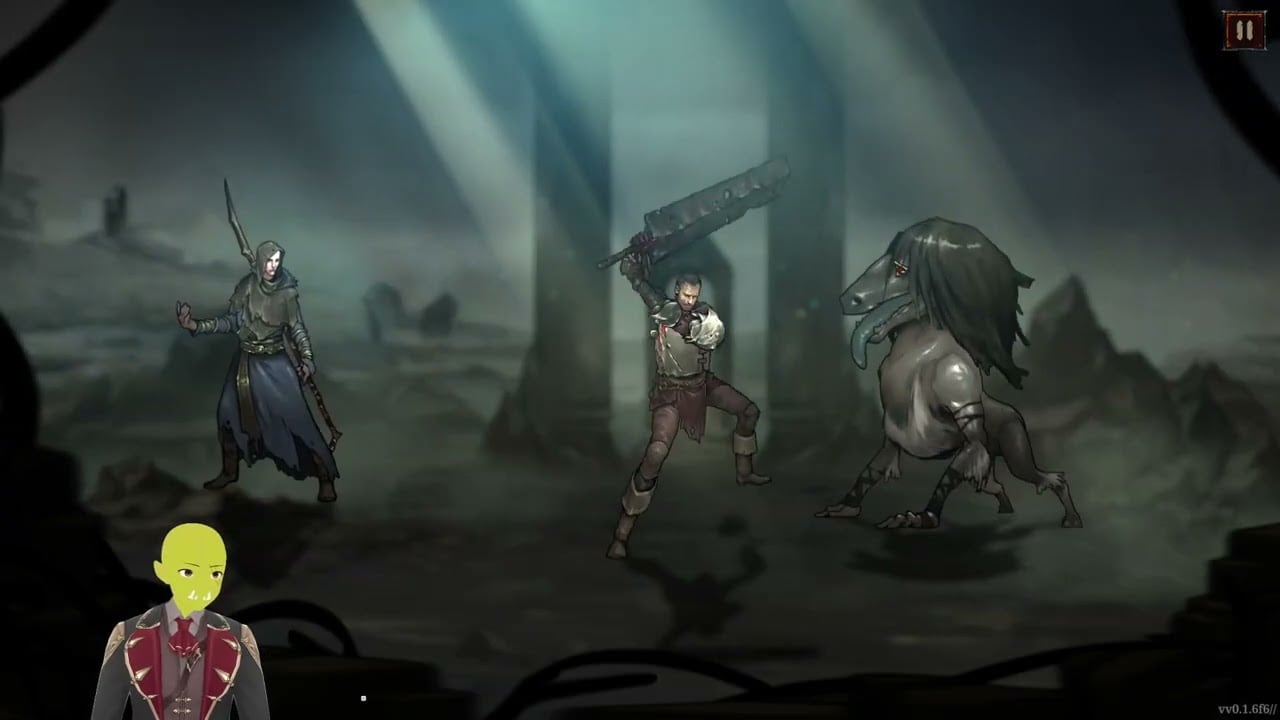
Every card in Shards of Order enters a single shared library drawn by Soldier, Scholar, and Exile. Card tier placement therefore measures role overlap, draw consistency, and fight impact—not isolated hero power. This list reflects demo-era knowledge before the July 28, 2026 Steam launch from Fardust and Awaken Realms, and it will move as patches land on Updates.
Start with Deckbuilding, Tier List hub, and the Deck Calculator before treating tiers as a shopping checklist.
Ranking principles for shared decks
Multi-role value — Cards that guard while generating rage, or delay while setting marks, outrank one-note attacks.
Curve fit — Cheap setup cards rank higher early campaign when libraries are thin.
Dead draw risk — Expensive finishers without setup drop tiers even if damage numbers look pretty in isolation.
Fracture safety — Barriers, cleanses, and efficient removal rank higher once revivals add Fracture (Laws and Fracture).
S tier patterns (archetypes)
Exact card names shift between demo and launch, but S-tier patterns remain stable:
Reliable guard + rage engine (Soldier band) — Low-cost tools that block telegraphed hits and feed rage on the same queue segment. These cards teach time-counter reads and protect Scholar casting.
Mana setup + cheap control (Scholar band) — Effects that reward ally damage taken or refund mana on chain casts. They keep the three-mana rule productive instead of panic-driven.
Mark + finisher pair (Exile band) — Marks you can apply consistently plus one finisher that consumes them. S tier requires both parts—not a finisher alone.
A tier — workhorse bands
Mid-cost removal — Efficient answers to dangerous enemy abilities; not fight-ending alone but prevents queue collapse.
Taunt and target control — Keeps Exile arrows aimed correctly in multi-enemy fights (Combat System).
Draw smoothing — Cycling without redraw penalties that damage the party under Fracture rules.
Volley clearers — Mid-tier arrows that handle adds without consuming finishers reserved for bosses (Boss Guide).
B tier — situational tech
Phase-specific answers — Cards hard-counter one boss mechanic but clog draws elsewhere.
High-cost rage spenders without setup — Strong when online, embarrassing when drawn early.
Redundant attacks — Fine while learning, cut when Builds mature.
C tier — cut candidates
Duplicate bands — Second copies of effects you already play every cycle.
Unconditional arrows into armored content — Low hit rate without Scholar strip support (Scholar).
Self-damage without payoff — Anti-synergy with Fracture and redraw attrition.
D tier — harmful clutter
Strictly worse costs — Same effect as another card in your deck at higher time cost.
Anti-synergy engines — Effects that punish ally damage when Scholar needs that damage for mana.
Overlong setup chains — Require three cards to do one job a two-card line already handles.
Role-specific priorities
Soldier cards
Prioritize guards that align with demo boss telegraphs, rage generation that does not require missing blocks, and spenders that do not steal Scholar turns. Profile: Soldier.
Scholar cards
Prioritize flexible spells—barrier plus delay, removal plus draw—and avoid stacking five-mana payoffs without setup. Profile: Scholar.
Exile cards
Prioritize marks your party generates naturally, then one finisher band. Volleys rank below marks unless add fights dominate a chapter. Profile: Exile.
Using tiers with the deck calculator
Tier placement assumes ~25–40 card libraries typical of mid-demo progression. When your deck size differs, S-tier cards may drop if hypergeometric odds fall below useful thresholds. Run scenarios on Deck Calculator—a B-tier card you always draw beats an S-tier card you never see.
Equipment interactions
Relics can promote cards one tier by refunding costs or doubling marks. See Equipment tier list before cutting borderline picks you may revive with gear.
Patch notes
Demo changes to combat queue and party flow altered how quickly setup resolves (Demo Changes). Control spells and guard timing saw the largest tier shifts in player testing.
Related pages
- Character tier list — role learning order
- Characters — hero kits
- Tools — planning utilities
- Official Links — demo download
Frequently Asked Questions
Quick answers to the most common questions.
Why is a strong attack not S tier?
Shared decks penalize dead draws. Attacks that only work on one hero or one boss phase drop tiers despite high damage.
How many copies of a card should I run?
Duplicates raise consistency but clog roles—use the deck calculator to test hit rates before doubling expensive finishers.
Do tiers differ between demo and launch?
Yes. Launch adds cards and chapters not fully represented here; revisit after Updates post-release.
Should I cut all C-tier cards immediately?
Cut redundant C-tier cards first; keep niche tech until you confirm a boss no longer needs it.
Where do I learn card mechanics in depth?
Combat System and hero profiles explain keywords; Builds shows sample lists applying these tiers.