Shards of Order Soldier — Rage Frontliner
Hold the line, convert pressure into rage, and buy time for Scholar mana and Exile arrows.
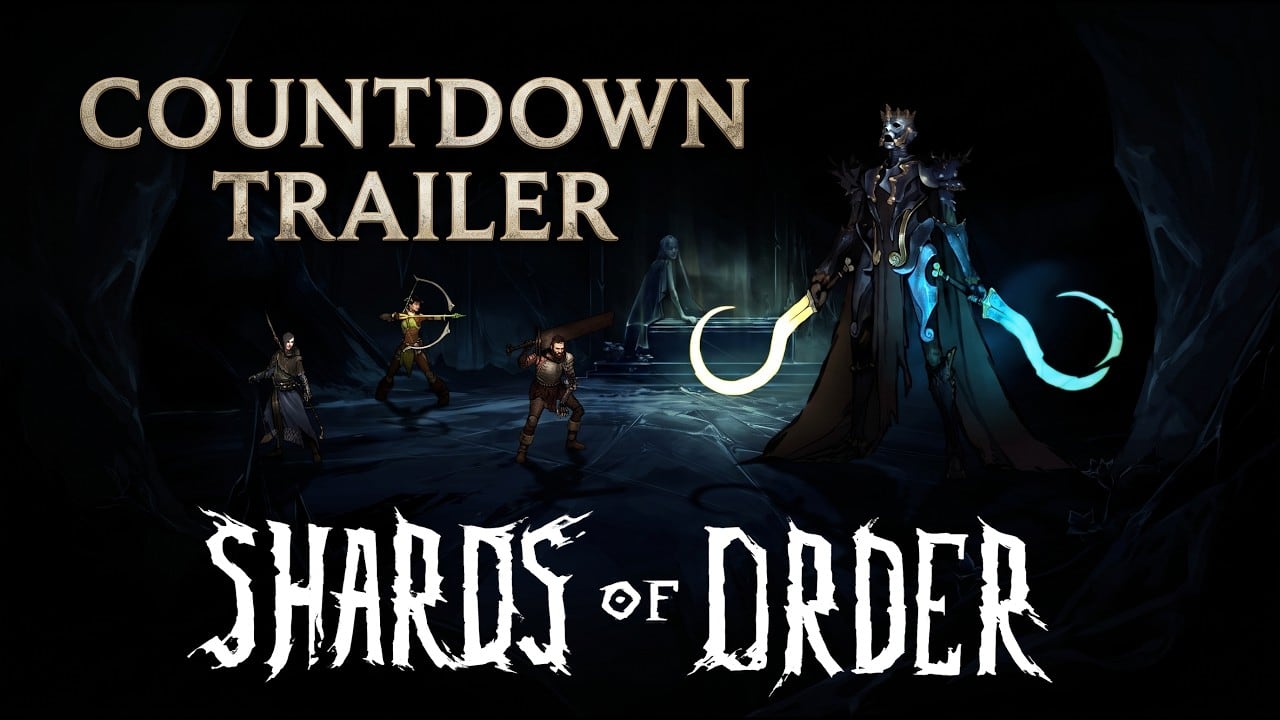
The Soldier is Shards of Order’s frontline anchor—a rage-driven fighter who turns incoming pressure into offensive momentum. At launch, Soldier is one of three permanent party members alongside Scholar and Exile; Warlock and Bladedancer appear in story but not as permanent roster slots. In a game where the trio shares one deck and every action advances a time-counter combat clock, Soldier’s job is rarely “deal the most damage” — Soldier makes turns legal by blocking lethal lines and feeding Scholar’s mana engine.
If you have not read the party overview yet, start at Characters and the Combat System guide. Soldier makes more sense once you understand that ally damage is sometimes a resource, not a mistake.
Core identity: rage as a pacing tool
Rage in Shards of Order is best understood as stored tempo. Soldier cards often generate rage when you guard, taunt, or trade health for advantage. Spending rage typically unlocks high-impact strikes, enhanced blocks, or party-wide stabilizers that would be too expensive on raw mana alone.
Because rage payoffs sit in the same shared deck as Scholar spells and Exile arrows, the Soldier player must think about density: too many rage generators without spenders clogs draws; too many spenders without setup leaves you brittle. A healthy Soldier curve usually includes:
- Reliable guard tools that align with enemy telegraphs
- One or two rage engines that activate on blocks or counter hits
- A finisher band that ends fights before Fracture pressure accumulates
Use the Deck Calculator to sanity-check how often your rage payoffs appear by turn four—Soldier decks fail quietly when key cards sit at the bottom of a bloated library.
Soldier’s role in the party triangle
Soldier, Scholar, and Exile are designed as interlocking roles:
- Soldier absorbs or mitigates hits that would otherwise disrupt Scholar casting.
- Chip damage and blocked trades grant Scholar three mana per qualifying ally hit, turning Soldier’s line into fuel.
- Exile converts that stabilized tempo into arrow bursts once enemies expose weak points.
When Soldier plays well, Scholar is not panic-casting shields every turn, and Exile is not wasting arrows into armored targets. When Soldier plays poorly, the shared deck skews defensive, mana stalls, and the time counter outruns your queue.
For sample party lists, see Builds and the Character tier list.
Key card types and priorities
While exact card names evolve between demo patches and the July 28, 2026 launch, Soldier lists generally prioritize these categories:
Guard and retaliate — Cards that reduce incoming damage and optionally rage on block are Soldier’s teaching tools. They reward reading enemy wind-ups instead of spamming attacks.
Taunt and control — Encounters with multiple enemies punish unchecked backline pressure. Soldier control tools keep Exile’s arrow lines aimed at the right target.
Rage spenders — These are your burst turns. Queue them after Scholar has mana online unless the fight ends in one action.
Party stabilizers — Small heals, barrier shares, or draw smoothing belong in Soldier’s band when Fracture or redraw penalties make attrition dangerous. Read Laws and Fracture before assuming infinite revives.
Compare high-impact additions on the Card tier list and relic priorities on Equipment tier list.
Combat queue tips for Soldier mains
Demo feedback reworked how players interact with the combat queue, and Soldier benefits more than most. Typical sequencing rules:
- Queue defensive tools before you commit rage spenders if the enemy has a faster clock segment.
- Do not stack redundant guards that expire on the same tick—dead cards waste draw slots for Scholar and Exile.
- If Scholar needs mana this turn, accept controlled chip damage rather than over-blocking into zero rage and zero mana.
Boss patterns are covered in the Boss Guide; Soldier-specific boss pages often boil down to “which telegraph must be blocked on turn two every cycle.”
Deckbuilding guidelines
When weighting the shared deck toward Soldier:
- Keep rage generators and spenders near a 1:1 ratio early campaign.
- Cut low-impact attacks that duplicate Exile’s job unless they synergize with rage.
- Avoid adding “cool” Soldier cards that do not help the Scholar mana loop—dead draws hurt three heroes at once.
Deep math lives in Deckbuilding and the interactive Deck Calculator.
Demo versus launch expectations
The Steam demo is live now on PC, with full release July 28, 2026 at 6 PM CET. Soldier kits in demo content skew toward teaching guard and rage basics; launch chapters across Regions introduce sharper tradeoffs. Track changes on Demo Changes, Redraw and Queue, and Launch Day.
Related pages
- Scholar — mana engine that feeds off Soldier’s line
- Exile — arrow finisher that converts stabilized turns
- Getting Started — first-hour checklist
- Official Links — Steam store and Awaken Realms site
Frequently Asked Questions
Quick answers to the most common questions.
What resource does Soldier use?
Soldier centers on rage generated through guarding, taunting, and frontline trades, then spent on powerful attacks and stabilizers.
Should Soldier always maximize blocks?
Not always. Scholar gains three mana when allies take damage, so controlled chip damage is sometimes correct if you can survive the follow-up.
How many Soldier cards belong in the shared deck?
Aim for enough guard and rage tools to see a payoff every few turns without crowding Scholar spells and Exile arrows—use the deck calculator to test ratios.
Is Soldier viable for bosses?
Yes. Boss fights reward telegraph reads and consistent guard sequencing, which is Soldier's core skill expression.
Does Soldier synergize with Fracture mechanics?
Soldier stabilizers help you avoid revives that add Fracture, but reckless redraw strategies still punish the whole party—plan recovery before you need it.