Shards of Order Boss & Miniboss Guide
Nine demo encounters — learn countdown patterns, phase pressure, and recovery before each gate.
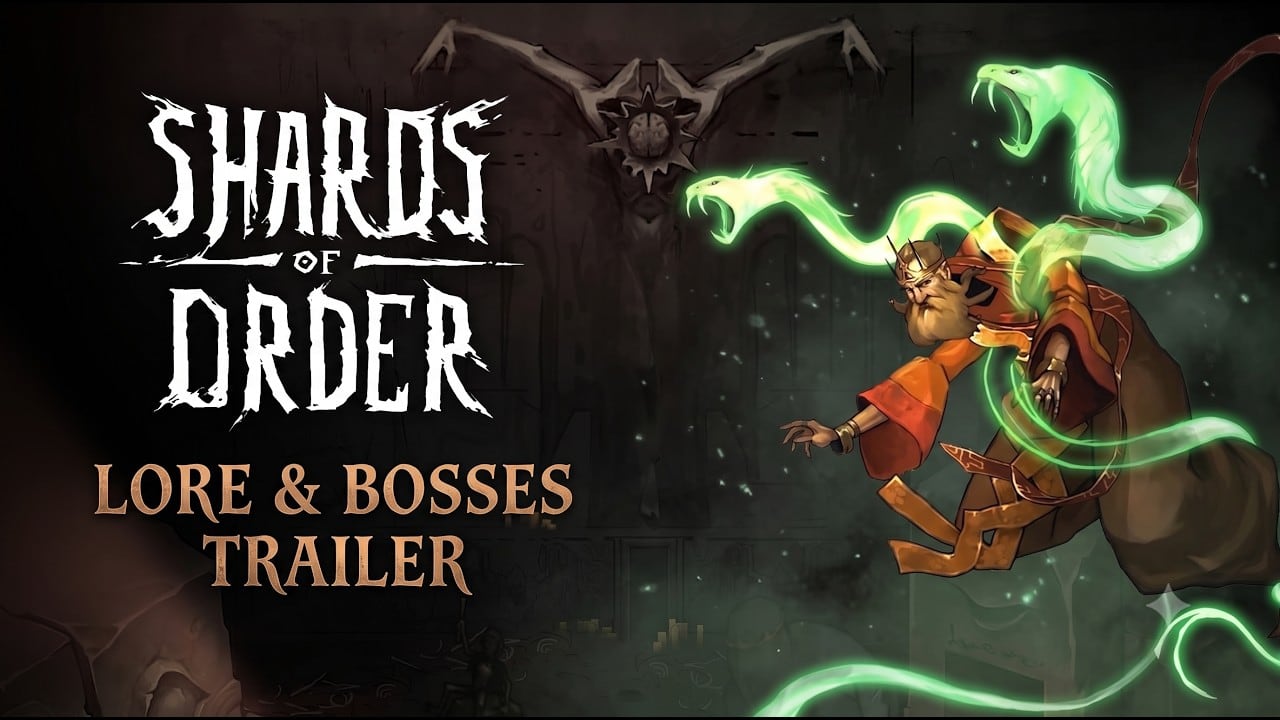
The Shards of Order demo packs nine encounters across twelve enemy types, culminating in two bosses and one miniboss. Full launch adds handcrafted regional bosses across three unique regions — this guide prepares you for demo gates and universal launch discipline without spoiling unreleased fights.
At launch, the permanent party is Soldier, Scholar, and Exile only. Warlock and Bladedancer appear in story and limited sequences but not permanent roster slots — plan boss strategies around the shared three-hero deck.
Read Demo Walkthrough for routing and Demo Map for approach paths. Individual hero tools matter differently per fight; see Builds for tuned parties. Launch redraw and queue rules live in Redraw and Queue.
Universal boss preparation
Before any boss node:
Audit revive costs. Prior knockouts raise revive card prices. Entering a boss with two crippled heroes is recoverable but expensive — consider revisiting safer nodes first.
Confirm free-draw openers. Bosses punish paid draws early. Stack three low-time plays before refilling — core rule from Deckbuilding.
Review gear injections. Five demo armors and four amulets add cards to the shared deck. Swap to defensive or countdown-disrupting injections when a boss pattern demands it — catalog in Items and Cards.
Scan countdowns before every card. Boss abilities often hit harder than trash. One extra time spent killing an add may be cheaper than letting a phase trigger.
Miniboss encounter
The demo’s single miniboss sits mid-dungeon as a skill check between tutorial trash and final bosses. Expect:
- Higher countdown pressure than standard elites.
- Mechanics foreshadowing divine God mischief themes tied to law restoration lore — expanded in Laws and Fracture and the Wiki.
- A smaller arena where movement costs one time per tile, punishing reposition spam.
Strategy sketch: Identify the miniboss’s fastest countdown ability and assign your first three-card sequence to delaying or interrupting it. Scholar parties should pre-generate mana types during any add phase; Exile parties conserve four arrow slots for the phase transition rather than opening burst.
If the miniboss causes your first knockout, treat it as data — backtrack, adjust injections, re-attempt. Persistent RPG structure means learning, not rerolling a procedural seed.
Demo boss one: establishment phase
The first boss encounter introduces a longer countdown cycle and likely multi-target pressure across your three-hero party. General approach:
- Turn one to three: Set up free draw, avoid high-time greed.
- Mid phase: Prioritize the ability with shortest remaining countdown unless kill priority overrides.
- Recovery: Keep revive-capable cards accessible if a hero enters crippled state.
Soldier-led parties excel at raw stability here; Scholar-led parties need ally damage online before mid phase. Check Character Tier List for community leanings but prioritize your practiced deck.
Demo boss two: capstone encounter
The second boss closes the demo and typically combines earlier mechanics at higher tempo. Expect callbacks to twelve enemy types you met earlier — reused patterns at boss scale.
Resource budgeting: Enter with Exile arrow slots and Scholar mana charges in mind. Empty resources at phase two create soft locks where only high-time cards remain — dangerous when countdowns are low.
Knockout discipline: Second boss phases often accelerate timers. A crippled hero plus accelerated countdowns snowball revive costs and Fracture stacks — each revive adds a stack that makes redraws deal 6 damage per hero (up to 18 at three stacks). See Laws and Fracture. Sometimes the correct play is defensive injection swap via map revisit before engagement — allowed because Shards of Order is not a roguelite wipe.
Use the Deck Calculator to verify you still have enough low-time cards after gear changes.
Trash elites worth noting
Not every encounter is a boss, but nine total means several elites gate progression. When an elite resembles a boss mini-pattern:
- Treat it as rehearsal for countdown reading.
- Log which shared deck cards underperformed.
- Update routes on Demo Map if optional elites drain revive resources.
Thematic context: gods and laws
Boss framing in Shards of Order ties to law restoration reshaping world rules and gods meddling with mischief outcomes. Demo bosses hint at this narrative layer without exposing full law-edit mechanics post-release. Mechanical players can ignore lore; strategists should note when boss abilities feel like “rule violations” — they preview systems in Laws and Fracture.
Post-boss and full release
Clearing both bosses finishes the demo slice (~forty-five minutes). Full game is live on Steam PC since July 28, 2026 with regional bosses across Regions and the Purged Village Walkthrough as the first campaign hub. Track Post-Launch and Release Date.
Quick reference table (demo scope)
| Encounter tier | Count | Notes |
|---|---|---|
| Standard / elite | Six plus | Twelve enemy types across routes |
| Miniboss | 1 | Mid-dungeon skill check |
| Boss | 2 | Final demo gates |
| Total encounters | 9 | One dungeon |
Related guides
- Regions — three regions and launch bosses
- Combat System — time and draws
- Getting Started — demo install
- Controls — movement and input
- Tier List — meta rankings
- Guides hub — all tutorials
Frequently Asked Questions
Quick answers to the most common questions.
How many bosses are in the Shards of Order demo?
The demo includes two boss encounters plus one miniboss among nine total encounters.
Can I retry a boss without losing progress?
Yes. Progress persists on the branching map. Revisit gear nodes and re-attempt without a roguelite wipe.
What should I do if a hero is crippled before a boss?
Consider backtracking to recover, swap gear for defensive injections, and enter with a free-draw opener planned.
Do bosses use the same time-counter system as trash fights?
Yes. No turns or mana — cards cost time and advance enemy countdowns.
Which heroes are best for bosses?
All three demo heroes can clear bosses with proper decks. See Builds and the character tier list for tuned suggestions.
Which heroes are available for bosses at launch?
Soldier, Scholar, and Exile are the permanent party. Warlock and Bladedancer appear in story but not as permanent roster slots.
Where is boss lore explained?
The Wiki, Regions guide, and Laws and Fracture cover god mischief and law restoration themes surrounding boss encounters.