Shards of Order Review
Launch-day verdict — full game unlocks today at 6 PM CET; the free demo still teaches the loop if you want a test drive first.
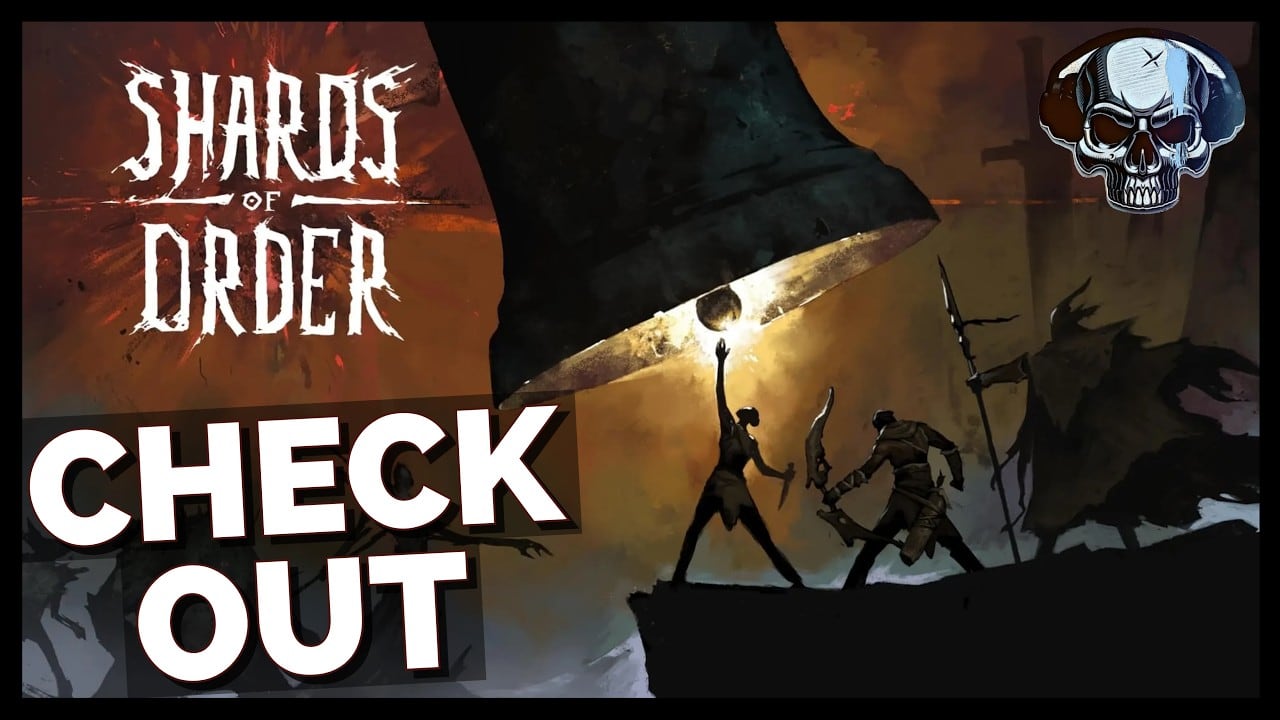
Shards of Order is a dark fantasy card RPG from Fardust, published by Awaken Realms, launching on Steam PC today, July 28, 2026, at 6 PM CET. A free demo (Steam app 3672010, main listing 3432480) remains live with roughly forty-five minutes of content: one dungeon, three characters, forty-two cards, twelve enemy types, nine encounters (two bosses and one miniboss), five armors, and four amulets. This launch-day review covers what the demo proved, what the full game unlock adds tonight, and whether you should buy and play now or try the demo first.
It is not a scored embargo review — it is a wiki assessment cross-checking mechanics documented across our Guides hub against developer messaging and player experience.
First impression: finally, not a roguelike
The single most important design message — reinforced in July 24, 2026 Steam news — is that Shards of Order is not a roguelike and not a roguelite. There are no runs, no progression reset, and XP upgrades persist. There is no permadeath wipe, no procedural run generation, and progress persists on a branching node map you can revisit. If you come from Slay the Spire or similar, expect cognitive adjustment — losses tax knockouts and revive costs, not save deletion.
That design choice shines once you stop hunting for a reset button: backtracking for gear injections (Deckbuilding) feels intentional, not failure. Respec is available from the start with a large UI tip next to the skill tree — so experimentation is encouraged, not punished. Our Getting Started guide exists partly to set these expectations before marketing screenshots mislead you.
Combat: time counters over turns
Combat removes turns and mana, replacing them with a time counter where every card costs time, drawing costs time unless you played three or more cards first (free next draw), and movement costs one time. Enemy countdowns advance whenever you act.
Strengths: Tension stays continuous; no idle enemy turns. Decisions feel tactical rather than rhythmic. The three-card draw rule rewards sequencing skill.
Learning curve: High. Players expecting mana curves will misplay early draws. Read Combat System before judging difficulty.
Demo versus full game: Twelve enemy types across nine encounters teach basics; launch adds three regions, Fracture stacks, redraw timer 4, and combat queue — see Launch Day.
Party design: shared deck excellence
Three heroes — Soldier, Scholar, Exile — share one deck. Gear injects cards into that pile. This creates genuine party buildcraft instead of three isolated stacks.
Soldier (rage/strength) is the accessible entry. Scholar (three mana types from ally damage) rewards planning. Exile (four arrow slots) adds ranged resource tension.
See Character Tier List for early meta leanings and Builds for compositions. Respec from day one lowers the cost of trying each hero emphasis.
Knockouts, laws, and fracture
Knockouts apply crippled state with rising revive card costs — punitive but fair in a persistent RPG. Law restoration and God mischief themes flavor bosses (Boss Guide). Fracture stacks at launch punish careless redraws (Laws and Fracture).
The demo barely scratches law editing; the full campaign must deliver on restoration mechanics. Launch night is when that depth unlocks.
Content scope: demo dense, full game expands
~45 minutes is accurate for a focused demo clear following Demo Walkthrough. Completionists revisiting Demo Map nodes or testing gear via Deck Calculator get more value.
Demo pros: Handcrafted encounters, no procedural filler, boss fights feel authored.
Demo cons: Single dungeon cannot showcase three-region progression or full law depth.
Full game tonight: Three regions, launch combat rework, and persistent XP — buy at unlock if the demo loop already clicks.
Presentation and platform
Dark fantasy art direction suits Awaken Realms’ publishing history. Steam PC exclusivity keeps card text readable — important for time-cost arithmetic. Co-op is not planned per July 2026 developer news; expect solo campaign only. Steam Deck users can reference developer-reported FPS in System Requirements.
Who should buy or play today?
Buy or install the full game at 6 PM CET if you: enjoy card combat but dislike run wipes; want tactical time management; like party synergy over solo hero builds; appreciated the demo’s forty-five minutes.
Play the free demo first if you: want a zero-cost test before purchase; need to confirm PC or Deck performance; prefer learning systems before committing to three regions.
Wait if you: need dozens of hours of reviews before purchase; want co-op (not planned); prefer traditional turn-based pacing.
Verdict summary
| Aspect | Launch-day assessment |
|---|---|
| Combat innovation | Strong — time counter feels fresh |
| RPG structure | Strong — persistent revisitable map, not roguelike |
| Build flexibility | Strong — respec from start with clear UI tip |
| Roster depth | Limited — three heroes at launch |
| Demo value | High — still useful after unlock for onboarding |
| Co-op | None planned — single-player only |
The demo succeeds as a mechanical pitch piece. Buy and play the full game tonight if the shared deck + time counter + no-run-reset loop clicks in your first forty-five minutes. The demo remains a valid free on-ramp if you want one more session before purchase.
Related resources
- Launch Day — unlock checklist
- How to Play — core loop
- Items and Cards — demo pool details
- Controls — input reference
- Wiki — lore compendium
- Tier List — early meta rankings
- Players hub — hero pages
Frequently Asked Questions
Quick answers to the most common questions.
Is the Shards of Order demo still worth playing after launch?
Yes. It remains free and teaches core loops in about forty-five minutes — useful before or after buying the full game at 6 PM CET unlock.
Is Shards of Order a roguelike?
No. Developers confirmed in July 2026 Steam news it is neither roguelike nor roguelite — no runs, no progression reset, XP upgrades persist.
How long is the demo?
About forty-five minutes for a first clear, longer with map revisits and build experiments.
Is Shards of Order like Slay the Spire?
Partially — it uses cards — but it is not a roguelite with permadeath wipes or procedural runs.
When does the full game unlock?
Today — July 28, 2026 at 6 PM CET on Steam PC.
Where should I start after reading this review?
Install the demo or buy the full game at unlock, then follow Getting Started and How to Play.