Shards of Order Tier Lists
Launch-day and early meta rankings for the three-hero party, shared deck staples, and relic priorities.
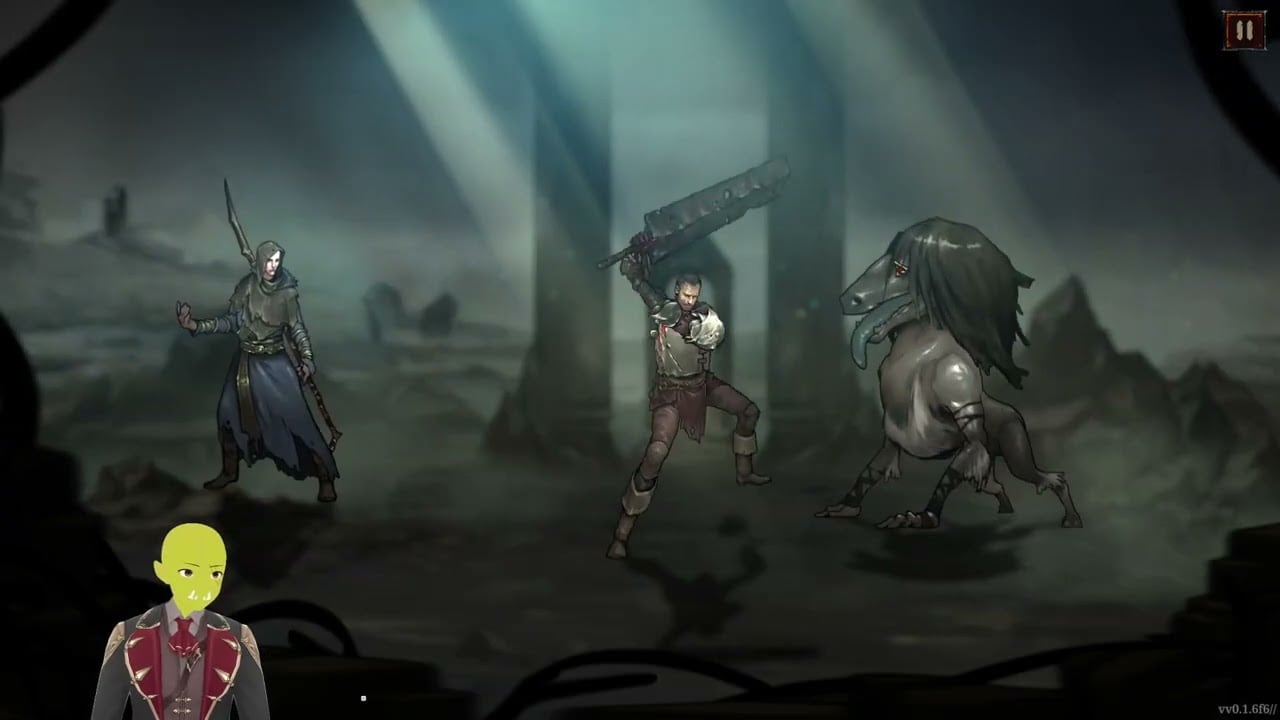
Tier lists for Shards of Order must respect one fact upfront: this is not a roguelike or roguelite with disposable runs. It is a dark fantasy card RPG from Fardust and Awaken Realms with persistent progression, time-counter combat, and a shared deck used by Soldier, Scholar, and Exile simultaneously. Rankings here describe launch-day and early meta efficiency after the July 28, 2026 Steam unlock — not eternal truths once balance patches land.
Use this hub to jump into specialized lists, then cross-check advice with Builds, Deckbuilding, and the Deck Calculator.
How we rank
Every list on this wiki shares criteria tuned to campaign progression rather than PvP:
Consistency — How often does the pick work on turn three and turn five in a shared library? High-variance cards drop tiers even if their ceiling is pretty.
Party synergy — Soldier rage lines, Scholar mana procs, and Exile arrow finishers interlock. Selfish power without setup drops tiers.
Boss relevance — Story bosses punish dead draws and bad queues. Options that only shine on trash packs rank lower unless speed-farming matters to you.
Fracture safety — Revival adds Fracture; redraw effects can damage the party. Rankings favor tools that reduce risky revives. Details: Laws and Fracture.
Patch volatility — Demo feedback already reworked combat queue clarity and party-of-three flow (Demo Changes). Revisit lists after major updates listed on Updates.
Tier bands explained
S tier — Defining picks you build around; strong in most encounters with minimal support.
A tier — Reliable workhorses that fit most shared decks without clogging draws.
B tier — Situationally strong—excellent in one chapter or boss, replaceable elsewhere.
C tier — Niche or redundant with better options; fine for learning, cut for optimization.
D tier — Actively hurts consistency—dead draws, anti-synergy, or outclassed costs.
We avoid F tier unless a card is strictly harmful; most low performers are simply cuts, not traps you must memorize.
Sub-lists on this wiki
Each category has a dedicated page with reasoning, swap suggestions, and links to guides:
- Character tier list — Soldier, Scholar, and Exile role value in the fixed party
- Card tier list — Shared deck staples, traps, and curve recommendations
- Equipment tier list — Relics and gear that bias roles without breaking the shared library
Character profiles live under Characters with deeper kit notes.
Reading tier lists with the shared deck in mind
Traditional RPG tier lists assume one character equips one loadout. Shards of Order breaks that assumption: adding an S-tier Soldier card still increases the chance Scholar draws it on a turn where rage payoffs do nothing. Therefore card tiers shift with your party weighting—a Scholar-heavy list may downgrade arrow finishers until Exile support catches up.
That interaction is why our Deck Calculator is linked from every sub-list. Hypergeometric intuition matters: a “S tier” card you only play once per fight is not S tier if it steals draw slots from guards you need every cycle.
Demo meta versus launch meta
The Steam demo remains live on PC; the full game unlocked today at 6 PM CET with three regions, cards, and relics not fully represented in demo rankings. Treat current tiers as launch-day planning tools:
- Safe investments: flexible guards, Scholar mana setup, Exile marks that do not require ultra-rare support
- Risky investments: ultra-narrow boss tech you cannot verify until post-launch clears
Follow Launch Day for day-one mechanic diffs and Release Date for platform notes. Official links sit on Official Links.
Where tier lists fail
Tier lists cannot replace fight knowledge. Queue order under the time counter, enemy telegraph reads, and Fracture recovery planning appear in Combat System and Boss Guide. Use tiers to trim bad cards, not to skip learning bosses.
Related resources
- Getting Started — onboarding before optimization
- Builds — sample shared decks by chapter
- Tools — calculators and planners
- Updates — patch tracker when tiers shift
Frequently Asked Questions
Quick answers to the most common questions.
Are these tier lists for PvP?
No. Rankings focus on campaign progression, boss reliability, and shared-deck consistency in the current demo and launch-day early meta.
Why do card tiers change with party builds?
All three heroes draw from one deck, so adding cards for one role affects draw odds for others—tiers assume typical party weighting noted on each page.
How often are tier lists updated?
After major demo patches and launch balance notes documented on the Updates hub, especially queue or Fracture changes.
Is Exile always highest damage tier?
Exile has high burst ceiling but demands setup; tier placement reflects consistency, not peak damage screenshots.
Where should beginners start?
Read Character tiers for role learning order, then Card tiers for safe additions—pair with Getting Started before cutting aggressively.