Shards of Order Deckbuilding Guide
One shared deck for three heroes — gear adds cards, time costs dictate tempo, and thinning wins fights.
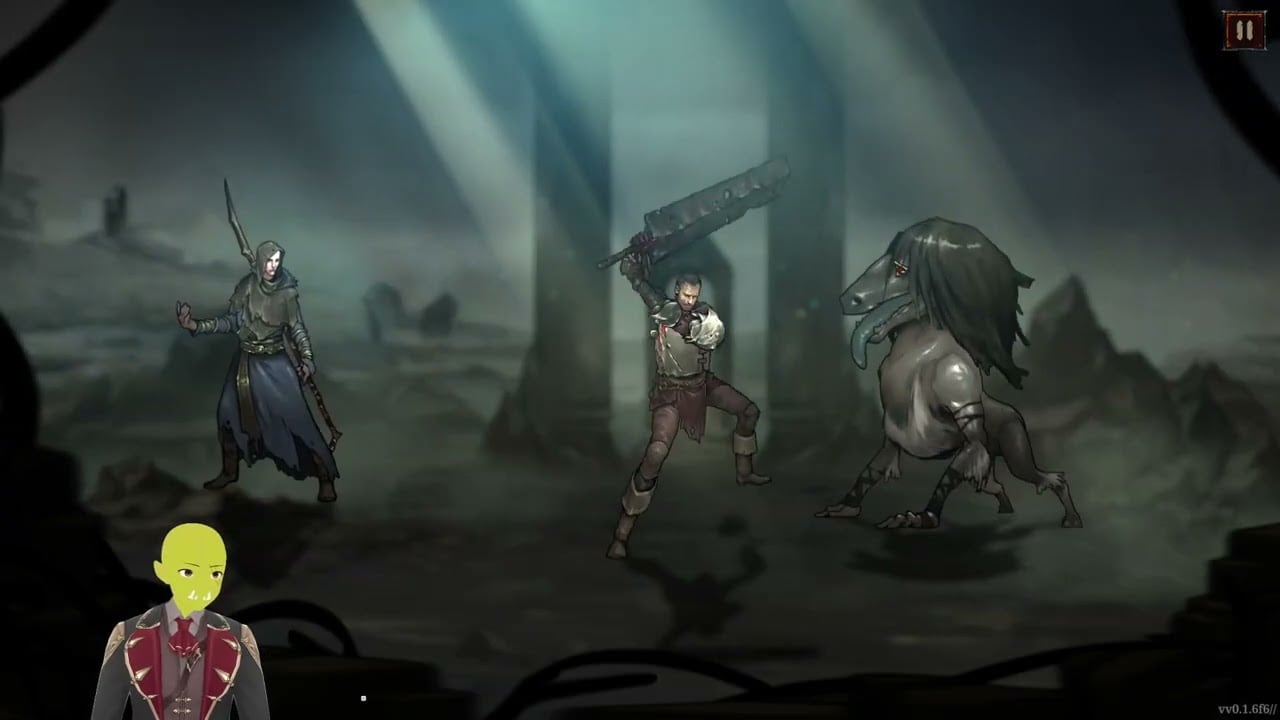
Deckbuilding in Shards of Order begins with a structural fact most card RPG players miss: your party shares one deck. Soldier, Scholar, and Exile draw from the same pile in combat. Individual heroes differ through stats, passive rules, and signature mechanics — rage, scholar mana types, arrow slots — but the cards themselves are party property. Gear injects new cards into that shared deck, meaning equipment choices are deck edits, not just stat sticks.
This guide explains how to assemble a coherent forty-two-card demo pool (plus injections from five armors and four amulets), respect the Combat System time economy, and avoid knockout spirals that raise revive costs. Pair it with Items and Cards for card names and Builds for party-wide archetypes.
Shared deck fundamentals
Unlike three separate thirty-card stacks, a shared deck means:
- Every injected card is drawable by any hero unless tagged otherwise in-game.
- Defense and setup cards benefit the whole party, not one build.
- Scholar sequences that generate mana from ally damage require cards other heroes can play first.
- Exile four arrow slots consume party actions — arrow-generating injections compete with generic damage.
Start from the demo baseline of forty-two cards before gear. Each armor and amulet adds or replaces options — track totals with the Deck Calculator so you know draw odds for key combos.
Time cost curves and the three-card draw
Because drawing costs time unless you played three or more cards first, deck construction favors:
Low-time enablers — cheap cards that advance combos without burning the clock.
Threshold bridges — a reliable trio you can play most turns to unlock free draws.
High-impact finishers — expensive time costs saved for when enemy countdowns allow.
A deck overloaded with six-time bombs will struggle to refill safely. A deck of only one-time chips may lack burst for boss checkpoints in the Boss Guide. Aim for a bell curve peaking around two to three time for routine plays.
Gear injection strategy
The demo offers five armors and four amulets. Treat each as asking: Which problem does this card solve for the shared deck?
Armor often adds defensive or bodyguard-style cards — valuable when running Demo Map routes with extra elites.
Amulets frequently inject utility — draw smoothing, countdown disruption, or revive support after knockouts.
Because injections persist for the dungeon run, swap gear at nodes deliberately. Revisiting the map is allowed — Shards of Order is a persistent RPG, not a roguelite wipe — so backtrack for a better injection if a boss wall appears.
Document injections while learning; the Items and Cards guide lists demo gear effects.
Hero-specific deck considerations
Soldier (rage/strength): Prioritize cards that build rage and convert it to efficient time spend. Soldier often opens sequences that set up Scholar mana generation.
Scholar (three mana types from ally damage): Include enough ally-triggered damage or shared hits that mana types charge before Scholar finishers. Without setup, Scholar cards clog hand at wrong times.
Exile (four arrow slots): Balance arrow spenders with regeneration or low-time shots. Empty slots mid-fight remove ranged answers — critical in encounters detailed in the Demo Walkthrough.
Cross-reference power levels on the Character Tier List but build for synergy, not solo carry.
Thinning, bloat, and dead draws
Even forty-two cards feels large when fights demand precise timing. Remove dead weight by:
- Avoiding duplicate low-impact injections from redundant gear.
- Skipping cards that cost too much time for their countdown trade.
- Favoring versatile cards over niche answers unless a boss demands them — see Boss Guide.
Post-demo Fracture stacks punish redraw habits — explained in Laws and Fracture — so decks that naturally hit free draws without extra cycling age better into full release.
Sample deck philosophy (demo)
Rather than a fixed list — gear RNG and route choice vary — follow this template:
- Six to eight low-time setup cards for three-card chains.
- Four to six defensive or revive-adjacent cards for knockout recovery.
- Scholar mana enablers proportional to Scholar cards included.
- Exile arrow economy of at least two regen or cheap shots.
- Two to three boss answers tuned to known patterns.
Concrete loadouts live in Builds.
Testing and iteration
Because the demo dungeon is revisitable and ~forty-five minutes, run iterative tests:
- Clear to first boss with baseline gear, note hand clogs.
- Backtrack, swap one injection, re-fight.
- Use Controls fluency so testing measures deck quality, not input errors.
For new players, combine this page with Getting Started before deep optimization.
Related resources
- Combat System — time and draw rules
- Tools: Deck Calculator — card count simulation
- Tier List — meta context
- Wiki — glossary and law terms
- Release Date — full game card pool expansion timing
Frequently Asked Questions
Quick answers to the most common questions.
Does each hero have a separate deck in Shards of Order?
No. Three heroes share one party deck in combat. Gear adds cards to that shared pile.
How does gear affect deckbuilding?
Armors and amulets inject new cards into the shared deck, changing what you can draw for the rest of the run.
Why prioritize low-time cards?
Low-time plays help reach the three-card threshold for free draws while minimizing enemy countdown advancement.
How many cards are in the demo pool?
The demo includes forty-two base cards plus additional cards injected by five armors and four amulets.
Can I change my deck mid-dungeon?
Equipping different gear injects or removes cards. You can also revisit map nodes in this persistent RPG structure.
Where are full build examples?
See the Builds guide for party compositions applying these deckbuilding principles.